
Most publishers focus their energy on making the best tour they can, and rightly so. But a great tour still needs an audience. The good news is that promoting it doesn’t have to be daunting. VoiceMap provides publishers with the tools and support they need, so they can figure out what works for them and build from there.
In our May 2026 webinar, we walked publishers through the full range of promotional strategies available to them: from identifying existing audiences, to building a sustainable content pipeline, to making the most of VoiceMap’s distribution tools.
The session coincided with VoiceMap’s rebrand, which includes a new look, logo and tagline: Curiously human self-guided tours. It’s a celebration of the curiosity, expertise, and local knowledge of our more than 800 publishers, and a deliberate counterpoint to the rise of AI-generated travel content. We also launched two high-profile partnerships: one with QI and Sir Stephen Fry, and another with History Hit, which is publishing tours by Dan Snow, Matt Lewis, and its other podcast hosts.
The webinar’s content is designed as a menu, not a checklist with a set number of steps to success. Take what works for you and fits best within your schedule. Below are some highlights and insights, along with the full session recording.
The takeoff effect, and what you can do about it
We’ve been looking at what separates tours that grow from tours that stall. Of the 243 tours published on VoiceMap in 2023, the tours that performed best in the long-run are those that earned $50 or more in their first 90 days. This group of tours, which we’re calling ‘takeoff tours,’ went on to generate nine times more revenue over the following two years, which was 68% of the group’s total revenue. The gap didn’t close either: both groups grew at roughly the same rate each year, as VoiceMap itself grew, which means that the advantage actually widens over time.
The $50 threshold isn’t arbitrary. It’s the point at which a tour has demonstrated enough demand from listeners to benefit from the work VoiceMap does to ensure tours get discovered and purchased. Reviews start coming in, visibility increases, and more sales follow. Tours that don’t reach that threshold in those first 90 days aren’t written off, but they’re waiting for conditions that may not arrive on their own.
On our end, we work to make sure your tours are discoverable: optimising profiles and tour pages for search engines, AI-generated responses (the kind that appear when you ask Claude or ChatGPT a question), and the AI snippets now showing above standard Google results. We manage listings on online travel agencies like Viator, Musement, and Project Expedition. We run VoiceMap’s own social media channels and digital marketing. And we monitor reviews so that any negative experience is addressed quickly. The goal is to make sure that when someone is looking for an audio tour in your city, they find yours first.
But we can’t create the initial momentum alone. That first push, the moment a new tour starts reaching real listeners, depends on what you bring to it. The good news is that most publishers already have more to bring than they realise.
Your audience is bigger than you think
When thinking about promotion, the instinct is to reach for social media follower counts. But your audience is rarely limited to that number. Podcast listeners, newsletter subscribers, blog readers, LinkedIn connections, and the people you meet at professional events are all part of it. So are the members of any niche communities you belong to or contribute to, whether that’s a local history Facebook group, a Reddit thread, or a walking club.
You don’t need to be everywhere. The more useful question is: where are the people who are already interested in what you know?
Two publishers illustrate this well. Willem Fromm, creator of the History of Cologne podcast, already had a dedicated international audience when he published his first tour, who were ready and waiting for it. His two English tours now have almost 200 ratings, averaging 4.5 stars. Katrina Milne, a Scottish tour guide with an established travel business, did the same. Her three English tours have almost 500 ratings, also averaging 4.5 stars. Both of them tapped into their existing audience instead of starting a new marketing channel from scratch.
Building a content pipeline
A structured content pipeline helps you plan, so you don’t have to start from scratch every time you want to post something.
The most common mistake is treating each post as a separate task. A more sustainable approach is to think in themes: food, architecture, local history, hidden stories, or whatever your tour’s categories already suggest. You can use each theme to help create and re-use content across various formats: a blog post can become a carousel, a podcast episode a Reel, and a newsletter a LinkedIn post. Iren from City Beautiful Tours in New York does this well by using the stories and locations on her tours to create consistent themes, showing her audience hidden histories and surprising facts from her city. She’s leaning into her expertise and letting her tours be the natural next step for anyone who wants more.
A few practical things that make this easier:
- Batch your content. Set aside a few focused hours weekly or fortnightly rather than creating on the fly.
- Use a scheduler. Monday.com, ClickUp, or Meta’s built-in scheduler for Facebook and Instagram all work well. Even a basic spreadsheet is enough.
- Prioritise consistency over volume. Posting once or twice a week and keeping to it will serve you better than posting daily for a fortnight and then going quiet.
Content that converts without feeling like selling
A question we get asked often is how to promote a tour without feeling like you’re constantly selling. The answer is to lead with curiosity.
The framing matters more than the format. Let’s take an example from this tour in Aix-en-Provence. The fact that the last public execution by guillotine in Aix-en-Provence was in 1935 is interesting, but it doesn’t do much. Reframing it as “there are people still alive who remember the last time the guillotine was used publicly in Aix” pulls people in. It creates the feeling of having discovered something rather than being told something. That’s a distinction worth holding on to: what do you know about your city, your neighbourhood, your subject that visitors and locals mostly miss? What are the details that don’t make it into the guidebooks? Share that, and the tour becomes the natural next step for anyone who wants more.
Here are some examples of post types that work well.
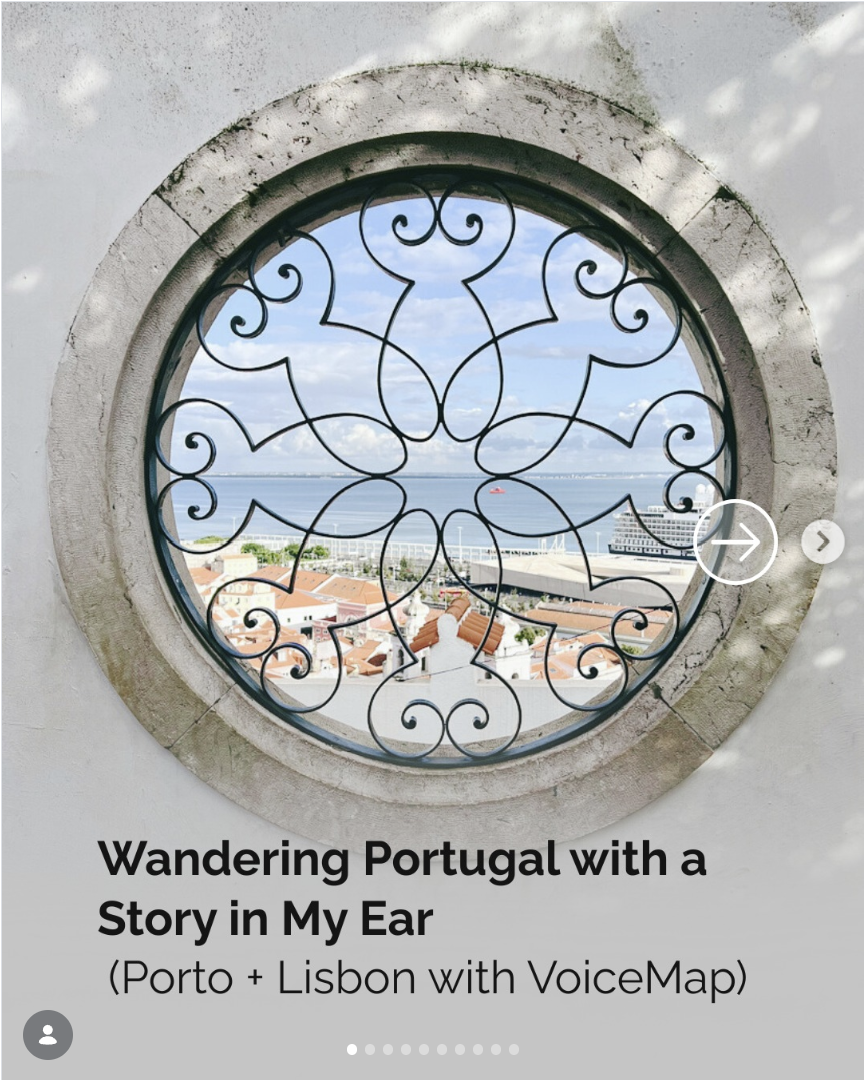
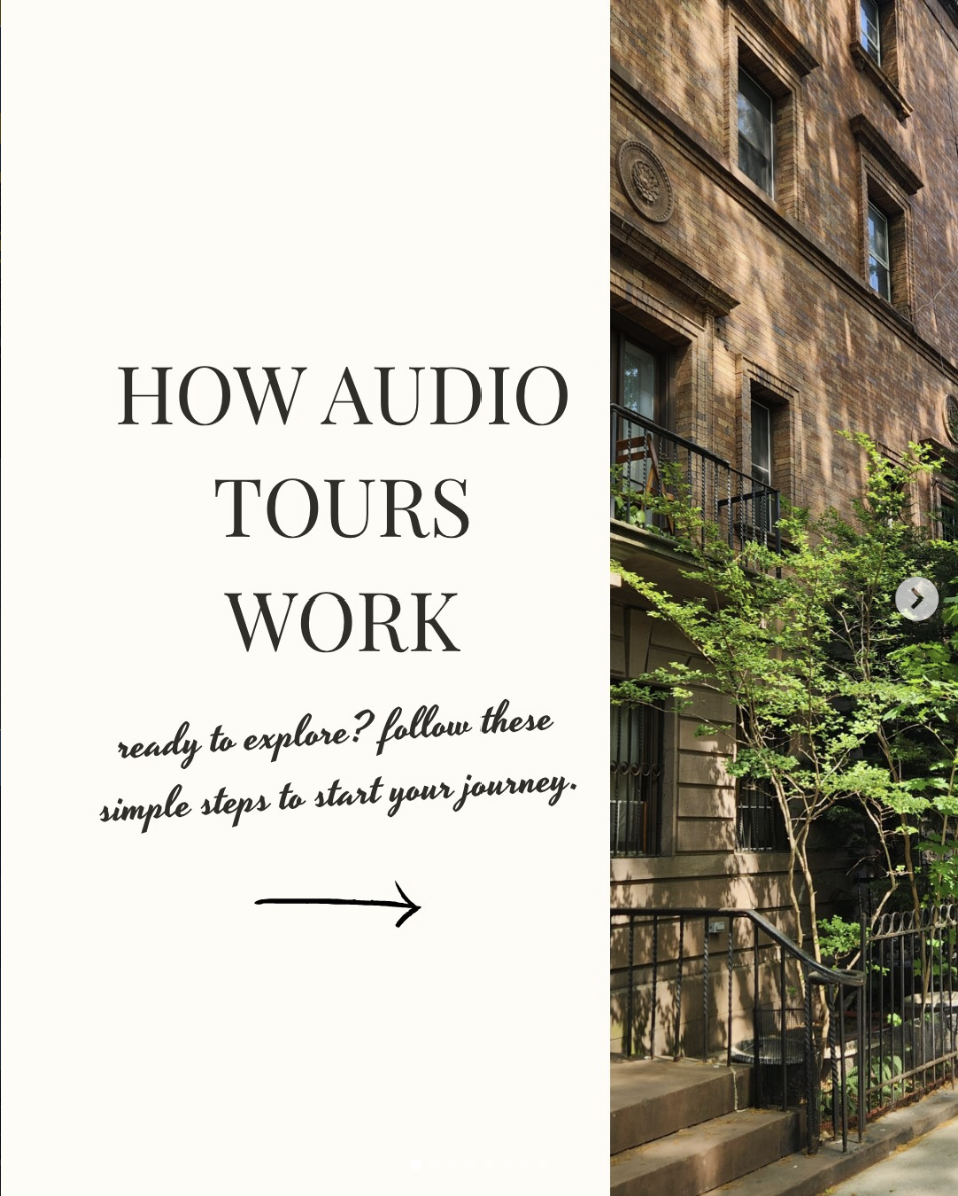
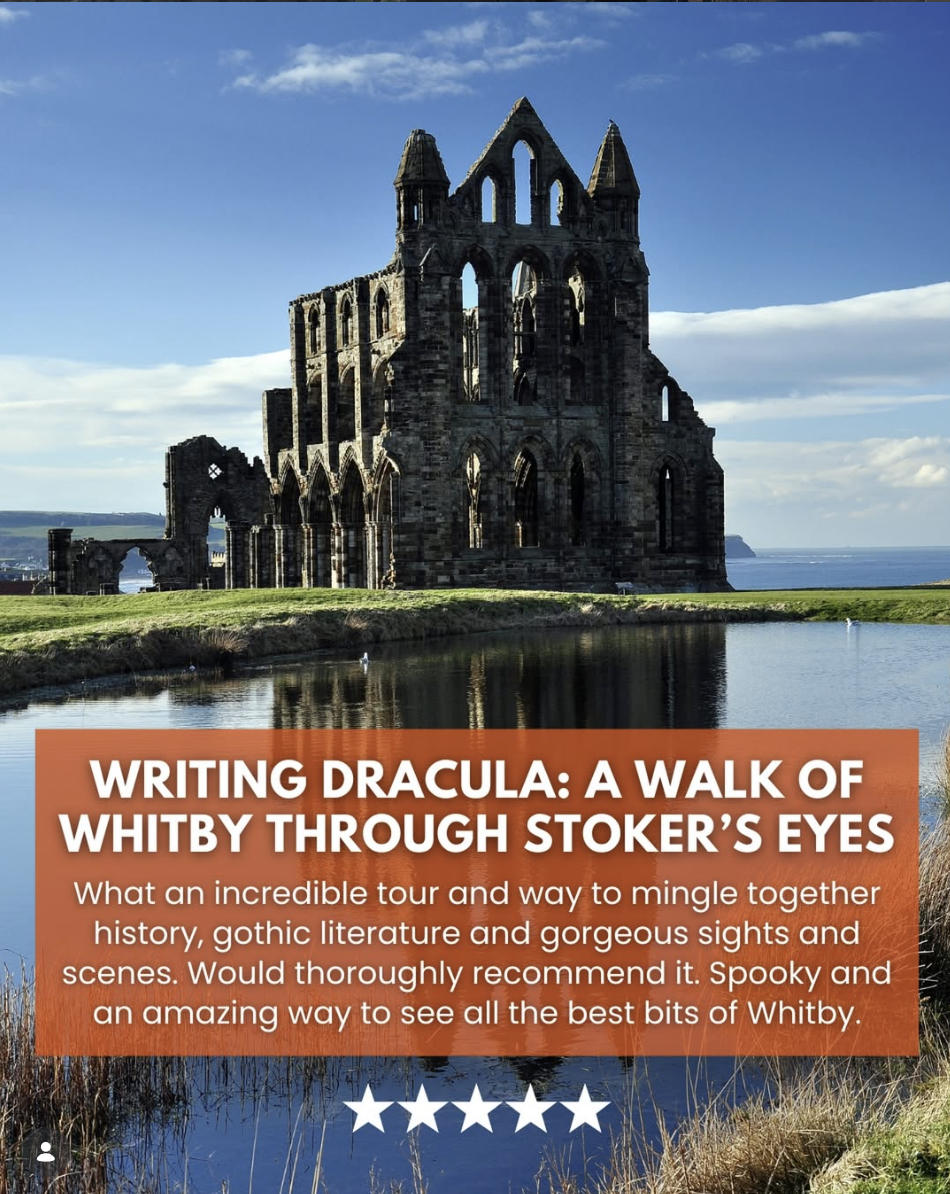
Carousels work well for surprising facts, “did you know” posts, and guides that show how to turn a tour into a full day of exploration. The key is to keep text minimal, use strong images, and maintain a clear thread from first slide to last. Here are a few examples worth looking at: this carousel from Travel Bug Tonic introducing the audio tour format as a way to explore, CityBeautiful’s guide to how audio tours work, and this new tour announcement from Where Now Tours.
Medium to long-form video (anything over a minute) suits platforms like YouTube and works well for behind-the-scenes content, stories from the research process, and deep dives into a particular location or character from your tour. It can even be an introduction to your tour. An engaging on-screen hook in the first few seconds is essential. This Reel by Jack Chesher is a good example of a hook that pulls people in immediately.
Short-form video (15 to 30 seconds) works for quick roundups, introducing audio tours as a way to travel, sneak peeks, and how-to content. On-screen text should reinforce rather than repeat what’s being said. A simple caption tease, such as flagging that a particular tour is coming in at number three and is worth waiting for, is often enough to keep people watching to the end. This Reel by a VoiceMap affiliate partner is a nice example.
Static posts have lost ground to video and carousels on most platforms, but still work well for announcements, milestones, and reviews. Keep them clean: strong image, clear text, a call-to-action, and a tag to @myvoicemap.
If self-promotion still feels uncomfortable, think about it from your audience’s perspective. They followed you because they’re already interested in your story and your unique perspective. When you share your tours with them, you’re giving them more of what they wanted when they hit follow.
VoiceMap’s distribution tools
Our publisher documentation covers all the promotion basics, from ratings and reviews to reseller networks, but two features in your publisher dashboard are worth highlighting here.
Short links let you create a clean, customisable URL in the format voicemap.me/yourtext – like voicemap.me/artmecca, for example – that goes directly to your tour page. Use it in your social media bio, your email signature, a caption, or a direct message. It’s easy to remember and goes exactly where you want it to go.
QR codes generate a scannable code for your publisher profile, your tour page, or your featured location. They’re particularly useful for physical promotion: a sticker near the start of your route, a flyer in a local café, a postcard in a tourist information office. You can read more about print materials and how to request them in our documentation. For tours that aren’t free, the QR code links to either your publisher profile or your featured location, which means that choice carries real weight here. Choose the stop with your most engaging audio and the strongest sound design.
Platform best practices
You don’t need to be on every platform. The more useful starting point is where you already have traction and where the people interested in your subject spend their time.
Here are the best practices for Instagram, TikTok, Facebook, and YouTube:
All platforms
- Put your short link in your bio so you can point to it in captions and on screen.
- Make sure the first few lines of your caption stand out, since most people won’t tap to expand it past the first line.
- Use 3–5 relevant hashtags, mixing broad terms with more niche ones to improve discoverability.
- Videos and Reels need to hook viewers in the first three seconds, or they’ll scroll straight past.
- Post at a consistent cadence, as the algorithm rewards regularity over bursts of activity.
- Where you have business and personal profiles, reshare to your personal profile to reach more people.
- Post Reels (on Instagram and TikTok) consistently, as they carry the most reach right now.
- Carousels with text over a series of images from the tour work well – especially for facts, stories, or multi-step content.
- Include a clear call-to-action in the caption.
TikTok
- Where possible and appropriate, use the platform’s trending audio. This can provide an algorithm boost.
- Include a call-to-action at the end of your video or Reel.
- When posting in a group, read the group rules and provide genuine value – rather than dropping a link and leaving, or constantly self-promoting.
- Upload videos directly to Facebook rather than sharing a YouTube link, as the algorithm rewards native content.
YouTube
- Make your title and thumbnail the priority. These are what drive clicks more than anything else.
- Optimise your description with relevant keywords like “self-guided audio tour” and your city or neighbourhood.
Accounts worth following
To stay on top of algorithm changes, here are a few sources worth following: Adam Mosseri for Instagram, René Ritchie (@YouTubeInsider) for YouTube, and @tiktokcreators for TikTok. For a broader view, the Geekout newsletter by Matt Navarra covers all platforms weekly, CYMI by Lia Haberman goes deeper with a creator focus, and the Social Media Marketing Podcast by Michael Stelzner is a practical weekly listen.
When you post, tag us. On Instagram, Facebook, and TikTok we’re @myvoicemap. On YouTube we’re @VoiceMapMe. When publishers tag us, we can share and amplify the content, and that reach matters. For a more detailed guide to social media promotion, including how to send us videos to feature on VoiceMap’s own channels, see our documentation on social media.
What’s coming: the publisher toolkit
We’re developing a publisher toolkit that will include ready-to-download and customisable designs for posters, flyers, stickers, and social media templates, including review posts and tour announcements. In the meantime, poster and flyer designs are available on request. You can also download the updated brand assets for your own promotional materials here.
One thing to do next
The session closed with a simple prompt: what is the one thing you can do in the next few weeks to build a little more momentum behind your tour? It might be sending an email to your subscribers, updating your website to include your tour, creating one Instagram carousel, or placing a QR code in a café near your tour’s starting point. Small steps, done consistently, are how you build momentum.


